Home / Arm Fat Reduction



Arm Fat Reduction
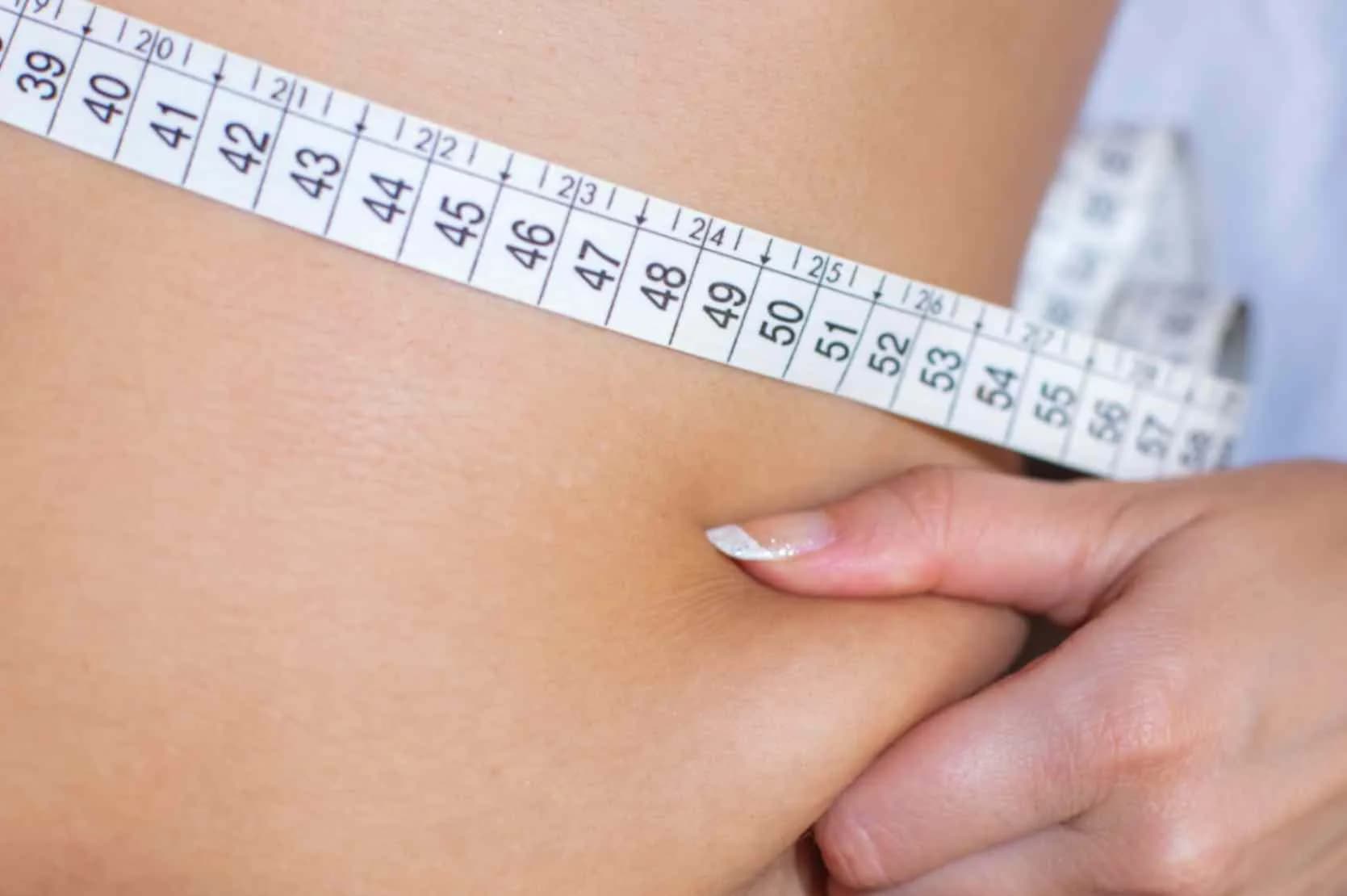
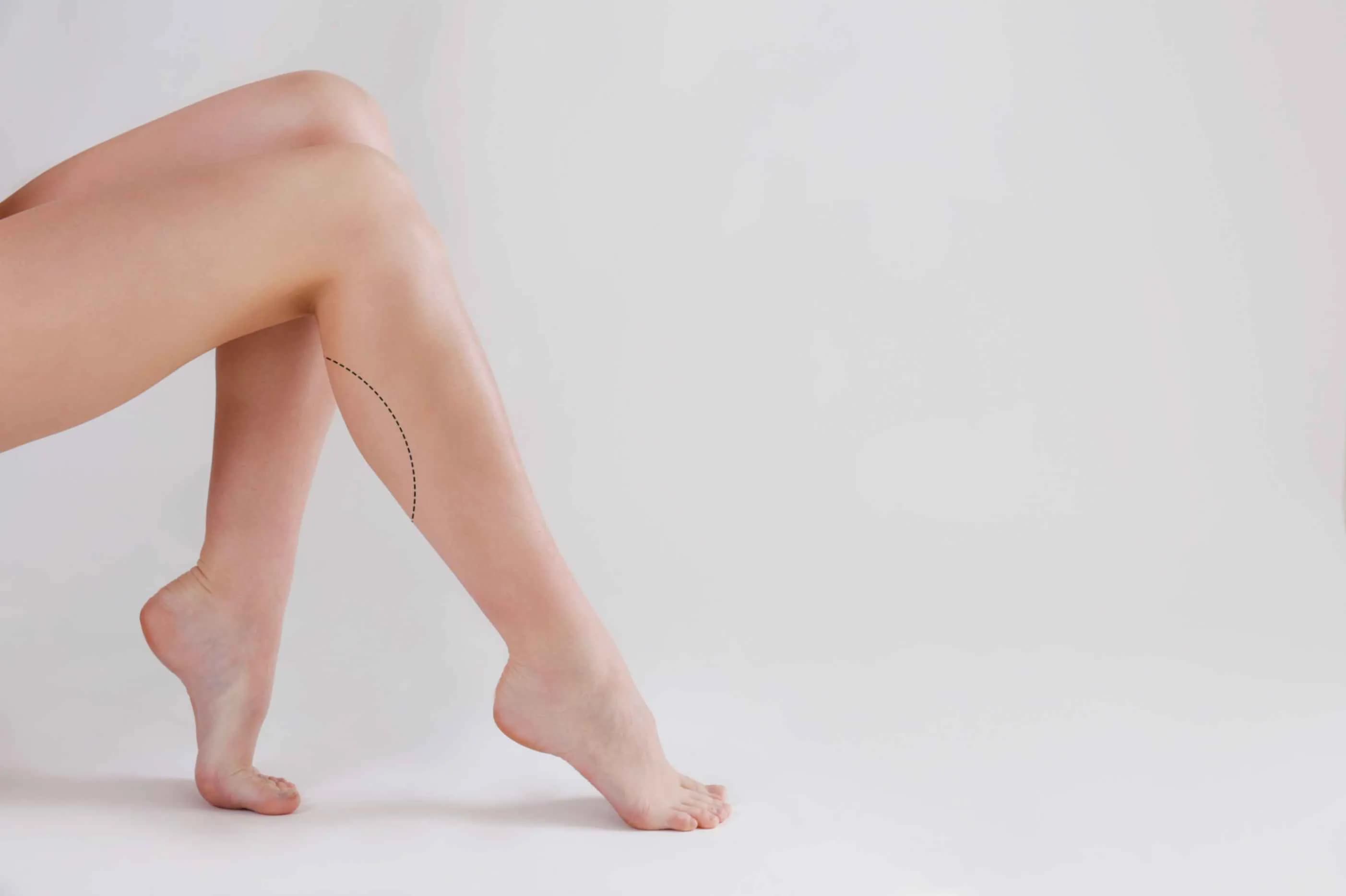
Arm fat reduction is quickly gaining popularity among women seeking a slimmer, more toned look. Excess arm fat can impact your comfort in everyday activities and influence how you feel in your own skin. VLCC is here to provide you with the most effective arm fat reduction customised to your goals, health and fitness levels, and body composition.

What is a Arm Fat Reduction?
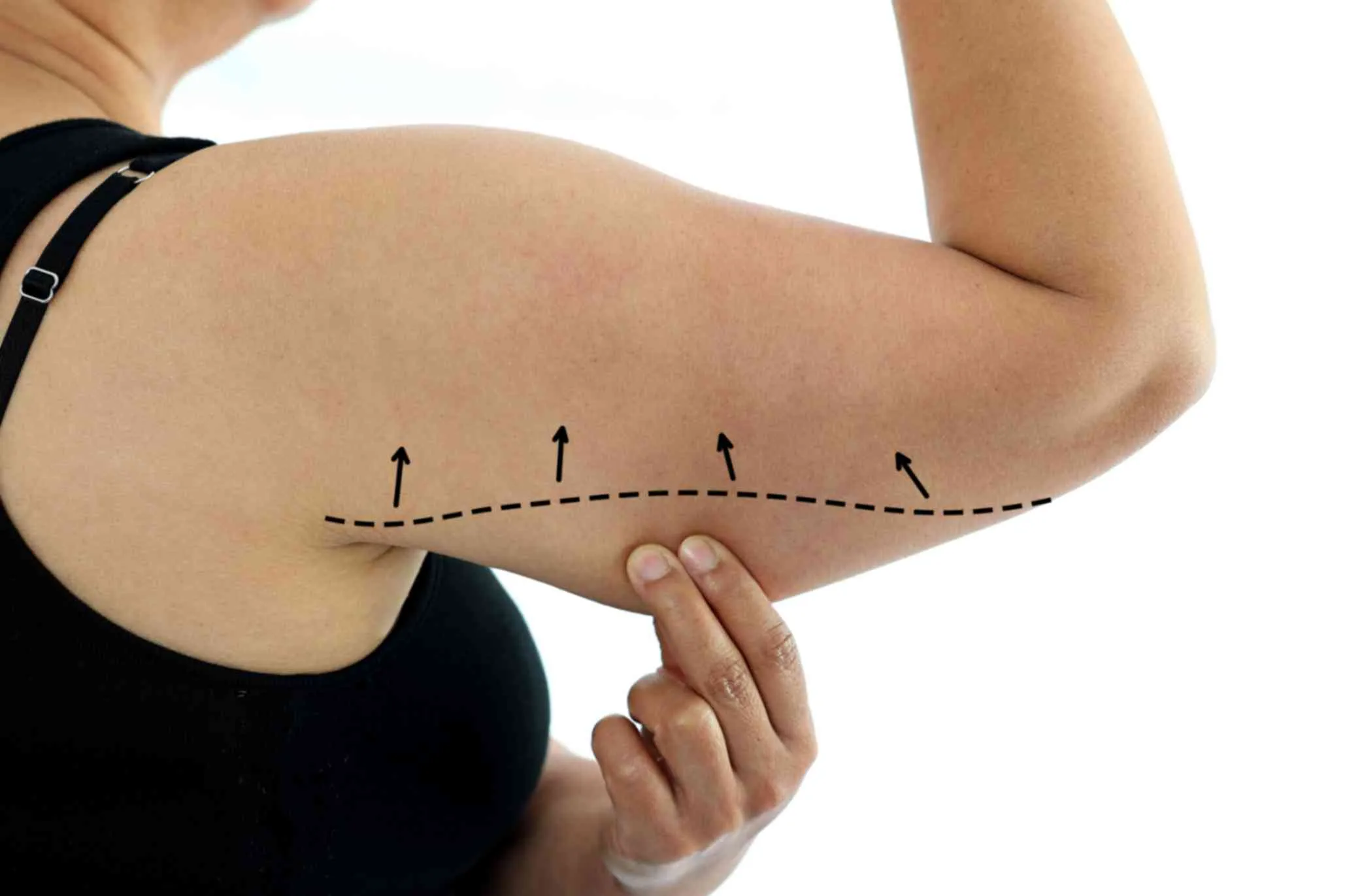
Arm fat—a common concern for many—can be a stubborn issue that often feels resistant to diet and exercise alone. Despite its prevalence, the quest to shed those extra pounds from the upper arms is more than just a cosmetic pursuit; it’s about achieving overall health and boosting self-confidence. Arm fat consists of extra skin and fat under the arms, primarily made up of two types: visceral fat and subcutaneous fat. Visceral fat is located behind the abdominal muscles, and surrounding vital organs. While having a healthy amount of visceral fat can protect your organs, excess can increase the risk of serious health issues like heart disease, stroke, and diabetes. On the other hand, subcutaneous fat lies just beneath the skin, cushioning the muscles and bones while connecting the skin to underlying tissues. Although some subcutaneous fat is beneficial for overall health, too much can lead to problems such as certain cancers, fatty liver disease, and gallbladder issues. That's why many people are turning to non-invasive treatments as an effective and painless way to target stubborn fat that exercise alone can’t eliminate, helping them achieve more sculpted arms with ease.
Root Cause
Services for Arm Fat Reduction
Compare Services


Science behind the Cause
A study has found that laser-assisted lipolysis can effectively reduce arm fat by up to 30% after a series of treatments.
Symptoms and Indicators
Prevention and Management
Products for Arm Fat Reduction
5% cashback
5%
off
off
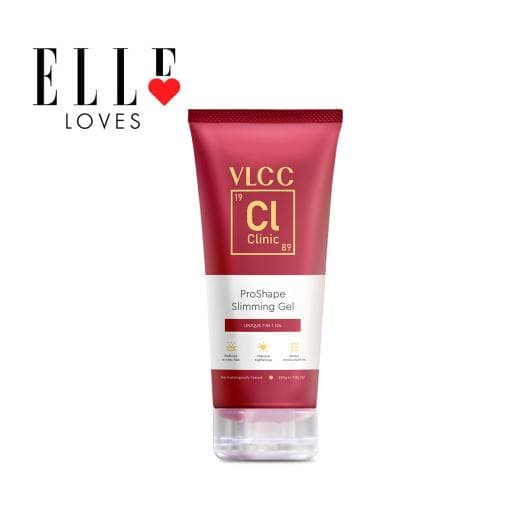
Proshape Slimming Gel - 200 g - With Unique 7 - In-1 oil
₹1139
MRP₹1199Save ₹60 (5% OFF)
8% cashback
12%
off
off
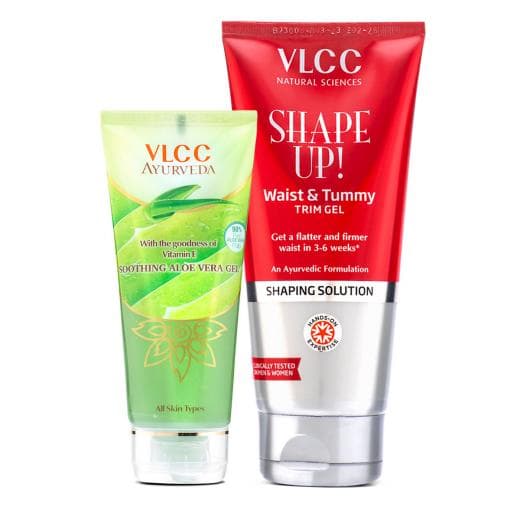
Shape Up Waist and Tummy Trim Gel & Ayurveda Soothing Aloevera Gel
₹772
MRP₹878Save ₹106 (12% OFF)
5% cashback
5%
off
off
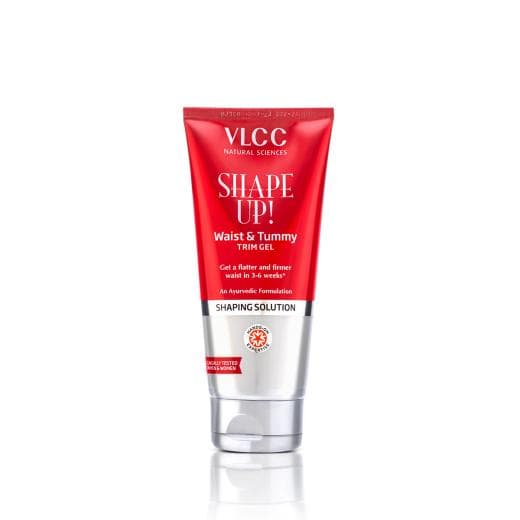
Shape Up Waist & Tummy Trim Gel - 200 g
₹759
MRP₹799Save ₹40 (5% OFF)
5% cashback
23%
off
off
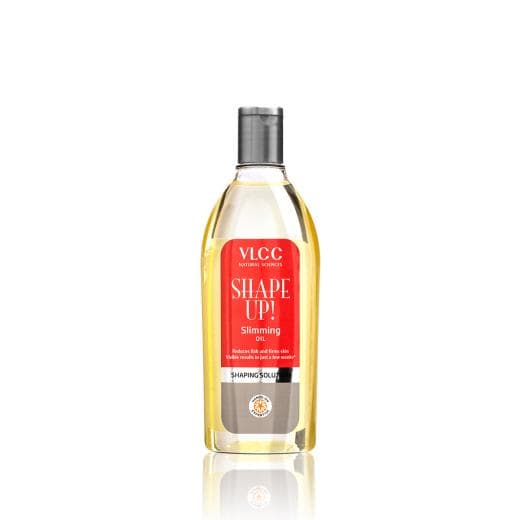
Shape Up Slimming Oil - 200 ml
₹538
MRP₹699Save ₹161 (23% OFF)
8% cashback
12%
off
off
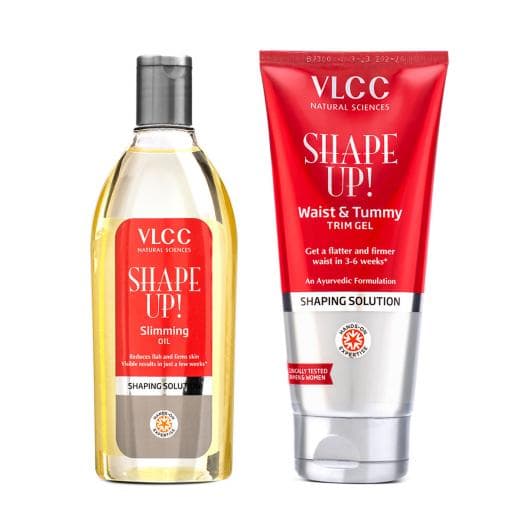
Shape Up Slimming Oil & Waist Tummy Trim Gel
₹1244
MRP₹1414Save ₹170 (12% OFF)
8% cashback
12%
off
off
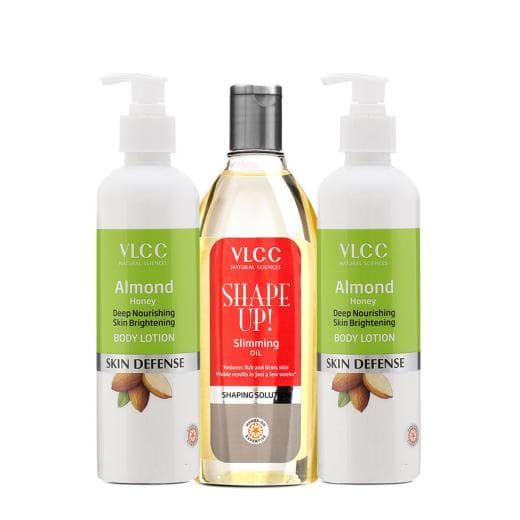
Shape Up Slimming Oil & Almond Honey Skin Brightening Body Lotion
₹902
MRP₹1025Save ₹123 (12% OFF)
8% cashback
12%
off
off
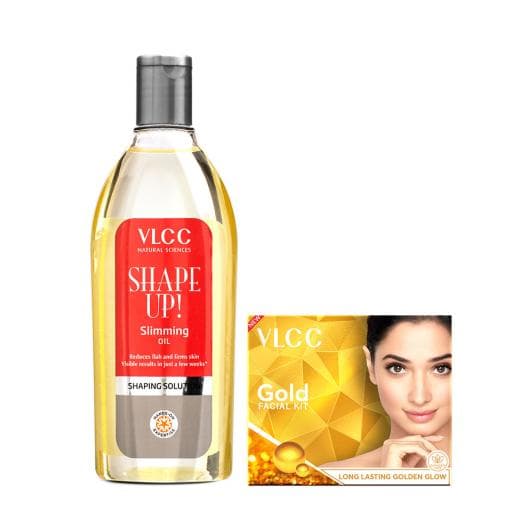
Shape Up Slimming Oil & Gold Facial Kit
₹893
MRP₹1014Save ₹121 (12% OFF)
5% cashback
5%
off
off
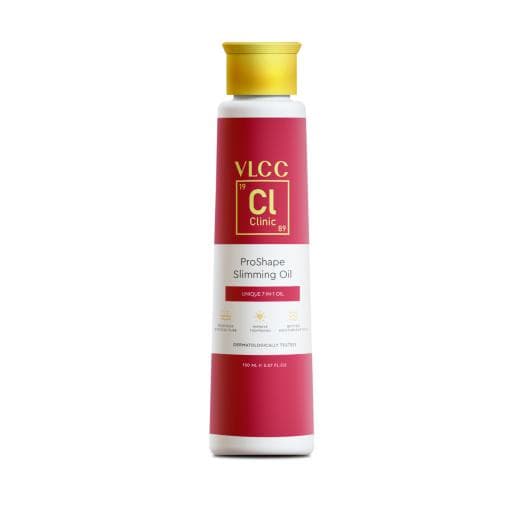
Proshape Slimming Oil - 150 ml
₹854
MRP₹899Save ₹45 (5% OFF)
5% cashback
5%
off
off
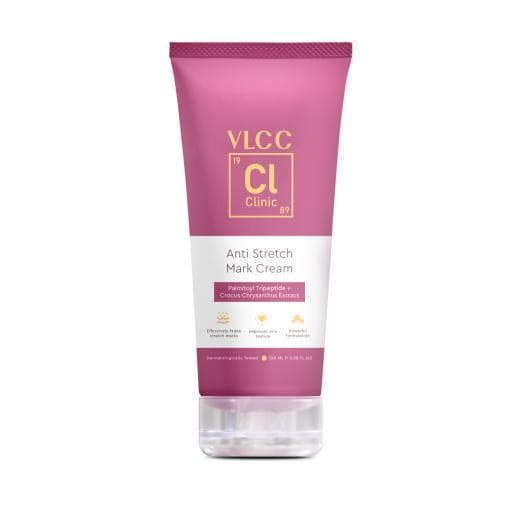
Anti Stretch Mark Cream - 100 ml - With Palmitoyl Tripeptide & Crocus Chrysanthus Extract
₹664
MRP₹699Save ₹35 (5% OFF)
5% cashback
5%
off
off
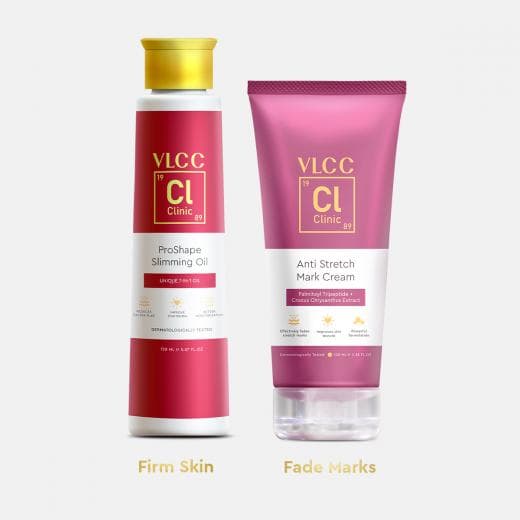
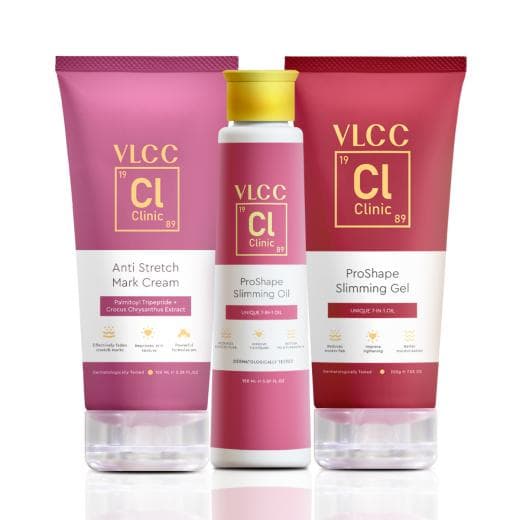
Flab to Fab Regime - Slimming, Firming & Tightening
₹1233
MRP₹1298Save ₹65 (5% OFF)
5% cashback
5%
off
off
Slimming Regime
₹1992
MRP₹2097Save ₹105 (5% OFF)
Similar Concerns
FAQs
Q: How can I remove fat from my arms?
Regular exercise, a balanced diet, and targeted strength training can help with arm fat removal.
Q: How can I slim my chubby arms?
Incorporating cardio and strength exercises focused on the arms, along with a healthy diet, can slim chubby arms.
Q: What is the best treatment for arm fat reduction?
The best treatments for arm fat reduction include laser therapy and arm fat removal surgery, but it's essential to consider the arm fat removal surgery cost.
Q: Is arm fat easy to lose?
Arm fat can be challenging to lose, as it often requires consistent effort in both diet and exercise.
Q: Can we reduce arm fat in 7 days?
It is unlikely that arm fat will significantly reduce in just 7 days, but some improvements can be seen with focused effort.
Q: Can I lose arm fat naturally?
Yes, losing arm fat naturally is possible through a combination of exercise, a healthy diet, and overall weight loss strategies.
A well-rounded diet supports your arm fat reduction efforts. Here are some dietary changes that may help:
- Reduce Sugar Intake: Excess sugar is converted into fat and stored in the body. Reducing your intake of sugary foods and beverages can help cut down on fat storage and promote weight loss.
- Increase Fiber: Foods high in fiber, such as vegetables, fruits, and whole grains, aid in digestion and fat metabolism. Fiber helps you feel full longer, reducing overall calorie intake.
- Eat Healthy Fats: Incorporate sources of healthy fats like avocados, nuts, and olive oil into your diet. These fats support metabolic functions and help in reducing overall body fat.
Effective Exercises for Arm Fat Reduction
Incorporating specific exercises into your routine can help tone and reduce arm fat. Here’s how these exercises work:
- Arm Circles: This simple yet effective exercise improves muscle endurance and helps in tightening the upper arms. By performing small circles with your arms extended, you engage your deltoids and biceps, enhancing overall arm tone.
- Dumbbell Rows: This exercise targets both the arms and the back, strengthening the latissimus dorsi and biceps. It helps in building muscle mass, which can increase your resting metabolic rate and aid in fat loss.
- Overhead Tricep Extensions: Focusing on the triceps, this exercise reduces the appearance of sagging and enhances muscle definition. By extending weights overhead, you specifically target the triceps, promoting fat loss in the upper arms.
Tips for Maintaining Results
To ensure that you maintain your results, follow these tips:
- Adopt a Consistent Exercise Routine: Regular exercise is key to preventing fat regain and maintaining muscle tone. Incorporate both cardio and strength training exercises into your routine.
- Follow a Nutritious Diet: A balanced diet supports your overall fitness and prevents new fat deposits. Focus on whole, nutrient-dense foods to support your body’s needs.
- Regular Consultations: Schedule periodic check-ups with fitness professionals or nutritionists to monitor your progress and make any necessary adjustments to your plan.
Impact Area
Related
No